Advantages and Applications of Aluminum Louvers
Introduction
As modern architecture continues to evolve toward sustainability, energy efficiency, and contemporary aesthetics, aluminum louvers have become one of the most widely used architectural products worldwide. From commercial buildings and residential projects to industrial facilities and outdoor living spaces, aluminum louver systems provide an effective solution for shading, ventilation, privacy, and facade enhancement.
Today, architects, contractors, developers, and distributors increasingly choose aluminum louvers because they offer a combination of durability, flexibility, and low maintenance that traditional materials cannot match.
Whether you are searching for exterior aluminum louvers, architectural louvers, aluminum sunshade systems, ventilation louvers, aluminum pergola louvers, or custom aluminum louver manufacturers, understanding the benefits and applications of these systems can help you make informed purchasing decisions.
What Are Aluminum Louvers?
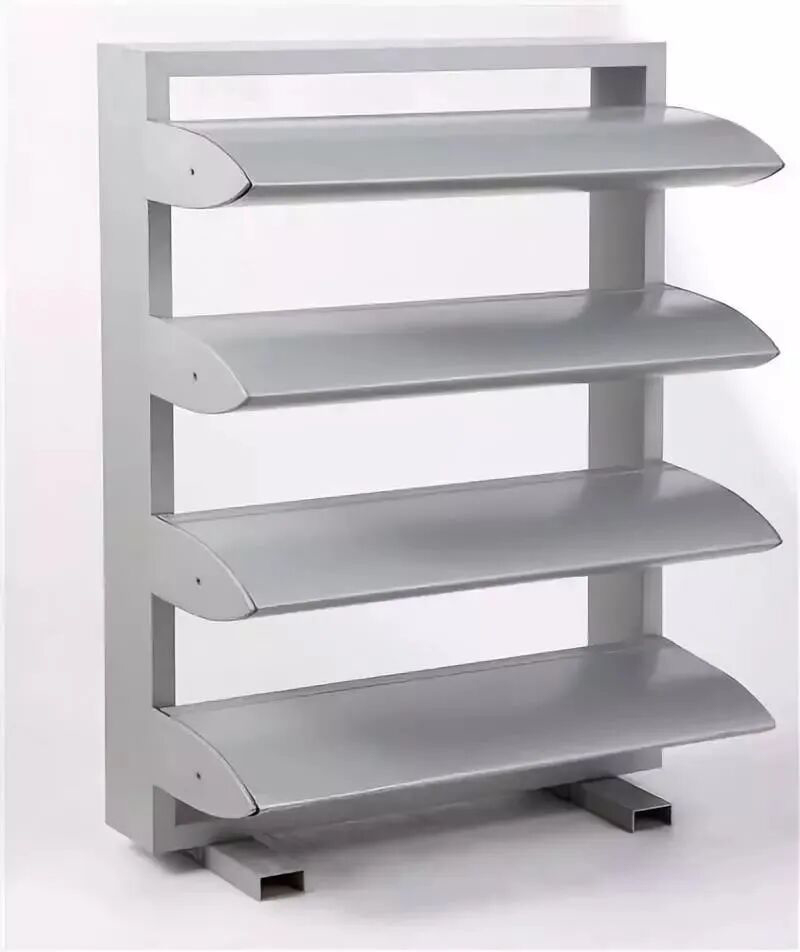
Aluminum louvers are structures made from high-quality aluminum blades arranged horizontally or vertically. These blades are designed to regulate airflow, sunlight, visibility, and environmental protection while enhancing the appearance of a building or outdoor space.
Depending on project requirements, XINJING aluminum louvers can be manufactured as:
· Fixed aluminum louvers
· Adjustable aluminum louvers
· Motorized aluminum louvers
· Ventilation louvers
· Decorative aluminum louvers
· Privacy screen louvers
· Sunshade louvers
· Facade louver systems
Modern aluminum louver systems are available in a wide variety of sizes, blade profiles, colors, and finishes, allowing architects and builders to achieve both functional and aesthetic goals.
Why Aluminum Is the Preferred Material for Louvers
Compared with wood, steel, or PVC alternatives, aluminum offers several distinct advantages.
Superior Corrosion Resistance
Aluminum naturally forms a protective oxide layer that prevents corrosion and rust.
This makes aluminum louvers ideal for:
· Coastal projects
· Marine environments
· Tropical climates
· High-humidity regions
· Areas with frequent rainfall
Unlike steel products that require extensive anti-rust treatment, aluminum maintains its performance for decades with minimal maintenance.
Lightweight Yet Strong
One of the major advantages of aluminum is its high strength-to-weight ratio.
Benefits include:
· Easier transportation
· Lower installation costs
· Reduced structural loads
· Simplified project management
This is particularly important for large commercial buildings and high-rise projects where weight reduction contributes to overall construction efficiency.
Long Service Life
Properly manufactured aluminum louvers can last more than 20 years while maintaining their appearance and functionality.
They resist:
· UV damage
· Moisture
· Temperature fluctuations
· Insect infestation
· Warping and cracking
Key Benefits of Aluminum Louvers
Effective Solar Shading
Direct sunlight can significantly increase indoor temperatures and energy consumption.
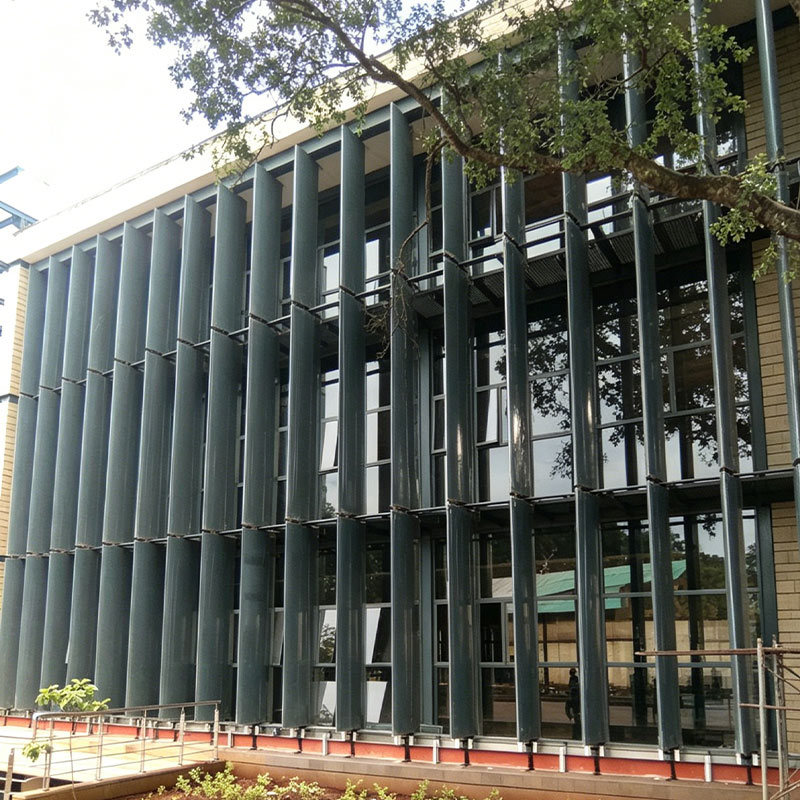
Exterior aluminum louvers reduce solar heat gain by blocking sunlight before it reaches windows and glass facades.
Benefits include:
· Reduced cooling costs
· Improved occupant comfort
· Enhanced building energy efficiency
· Better indoor temperature control
Improved Ventilation
Ventilation louvers allow fresh air circulation while protecting buildings from rain, debris, and excessive sunlight.
Common applications include:
· Mechanical rooms
· Generator rooms
· Equipment enclosures
· Data centers
· Industrial facilities
Enhanced Privacy
Aluminum louvers provide privacy without completely blocking airflow or natural light.
This makes them ideal for:
· Balconies
· Residential communities
· Pool areas
· Garden fencing
· Outdoor seating areas
Modern Architectural Design
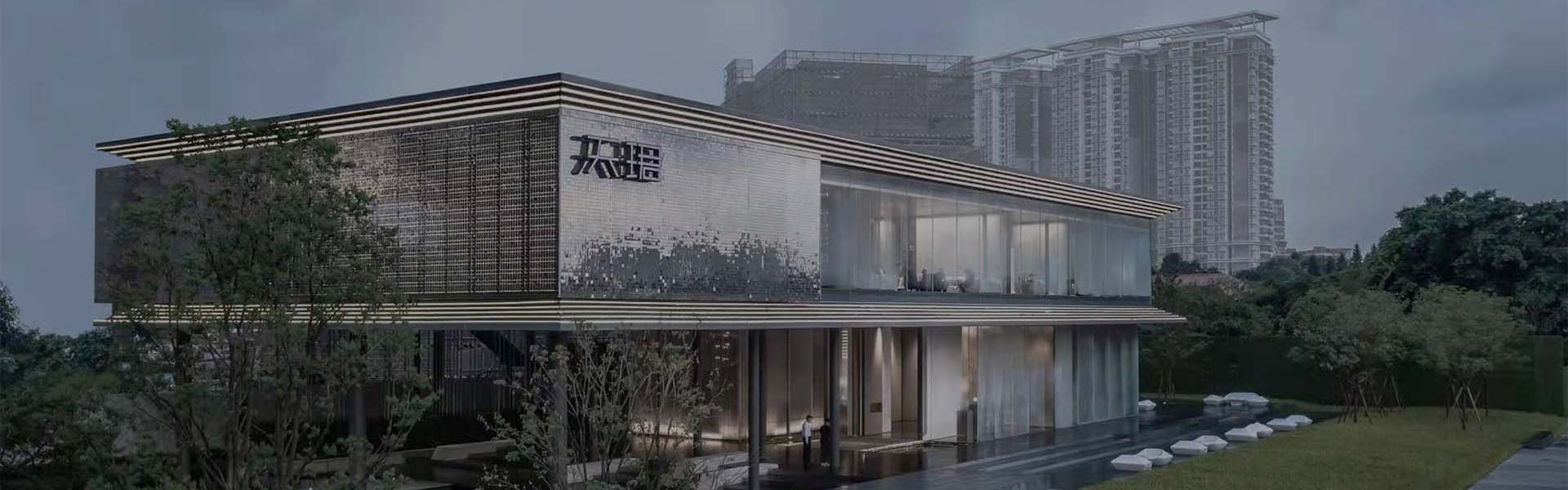
Architectural aluminum louvers create clean lines and visually striking building facades.
They can transform ordinary structures into premium architectural landmarks.
Available finishes include:
· Powder coating
· PVDF coating
· Wood grain transfer finish
· Anodized finish
Applications of Aluminum Louvers
Commercial Buildings
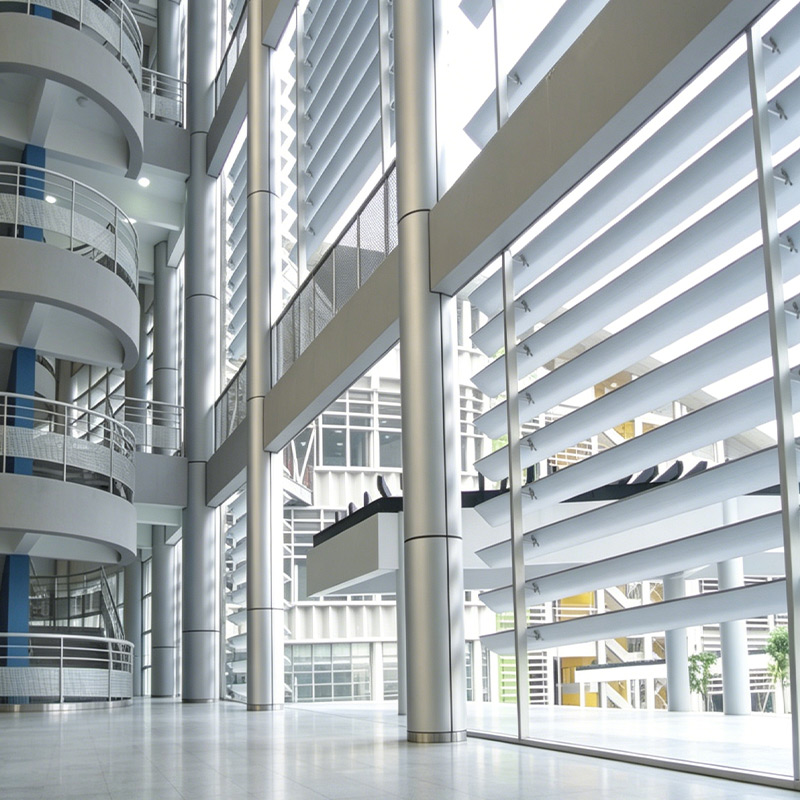
Commercial projects represent one of the largest markets for aluminum louver systems.
Common applications include:
· Office towers
· Shopping malls
· Hotels
· Hospitals
· Educational institutions
· Government buildings
Benefits:
· Energy efficiency
· Ventilation
· Architectural aesthetics
· Reduced operating costs
Residential Construction
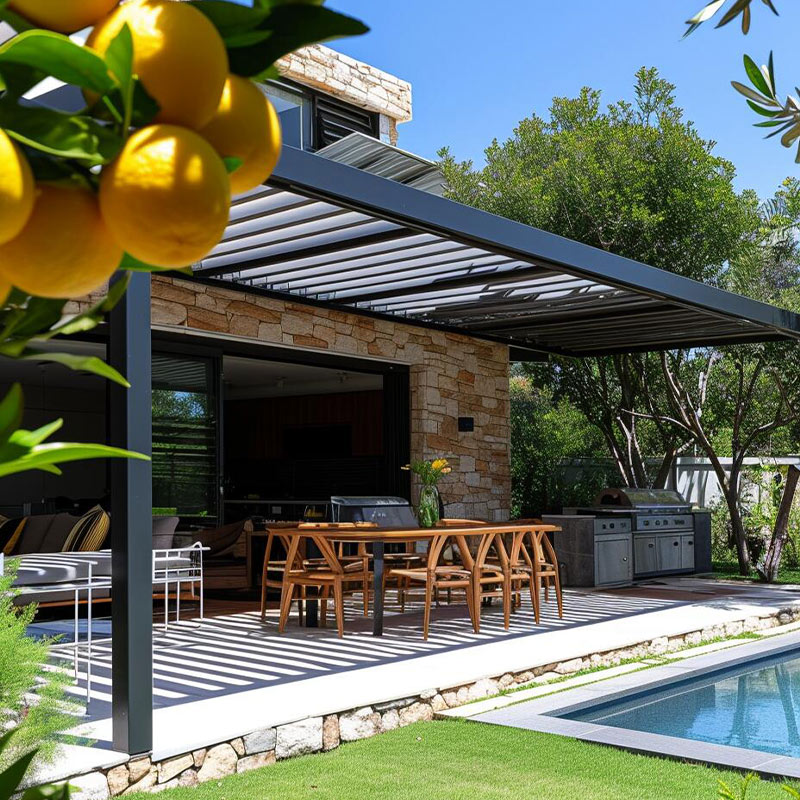
Modern homeowners increasingly seek products that combine beauty with functionality.
Aluminum louvers are widely used for:
· Window shading
· Balcony screening
Pergolas and Outdoor Living Spaces
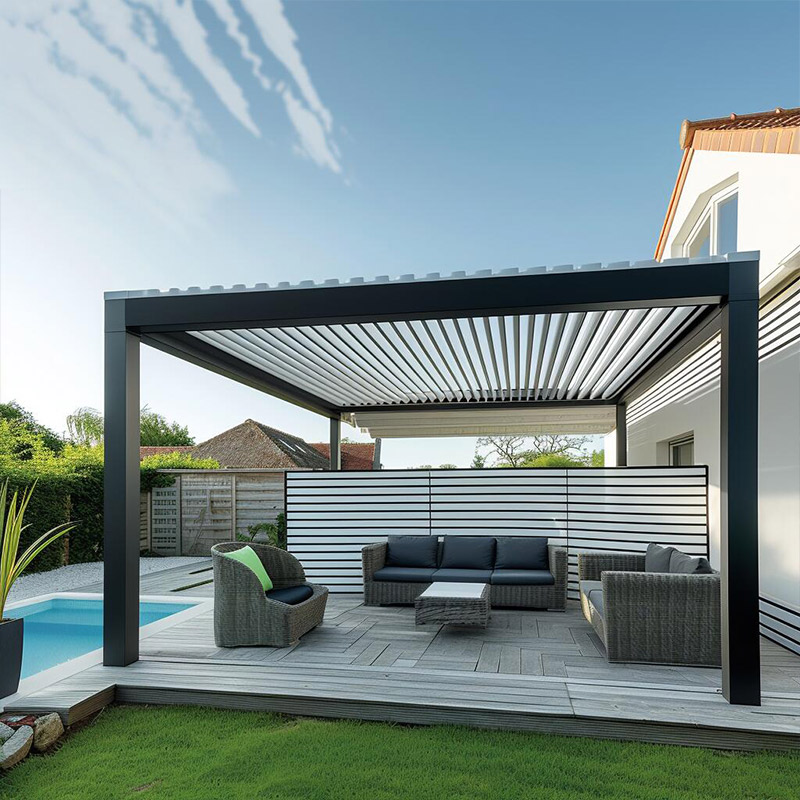
The outdoor living market has grown rapidly across North America, Europe, and Australia.
Adjustable and motorized aluminum louvers are now commonly integrated into:
· Pergolas
· Patios
· Restaurants
· Rooftop bars
· Resorts
· Luxury villas
Benefits include:
· Adjustable sunlight control
· Rain protection
· Increased outdoor usability
· Modern appearance
Industrial Facilities
Industrial buildings require durable ventilation solutions.
Applications include:
· Manufacturing plants
· Warehouses
· Utility facilities
· Power stations
· Equipment shelters