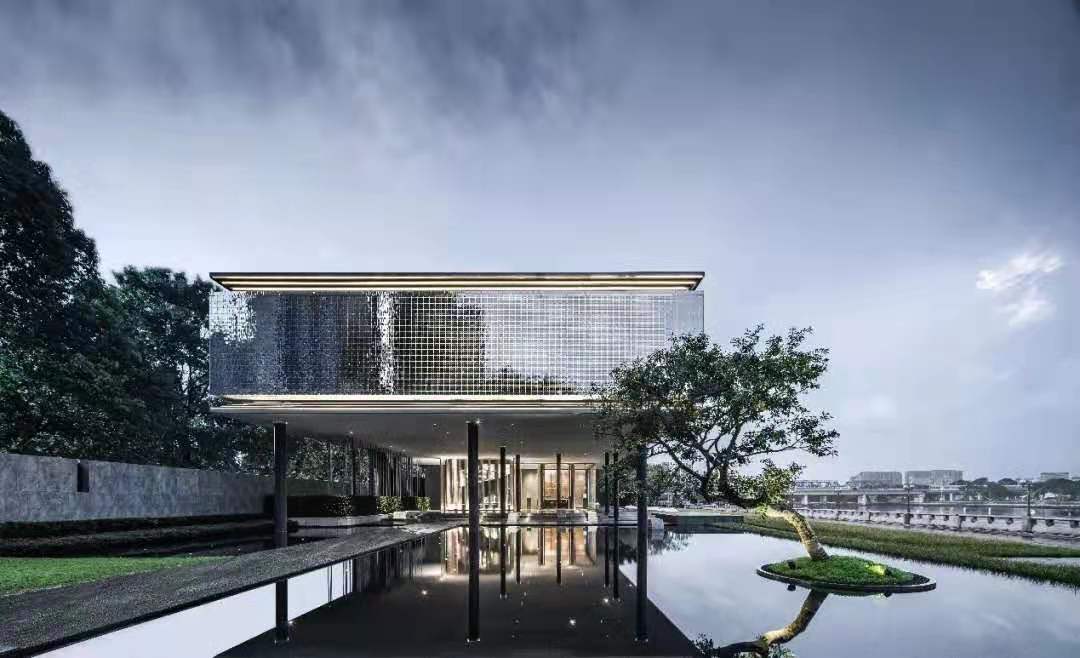
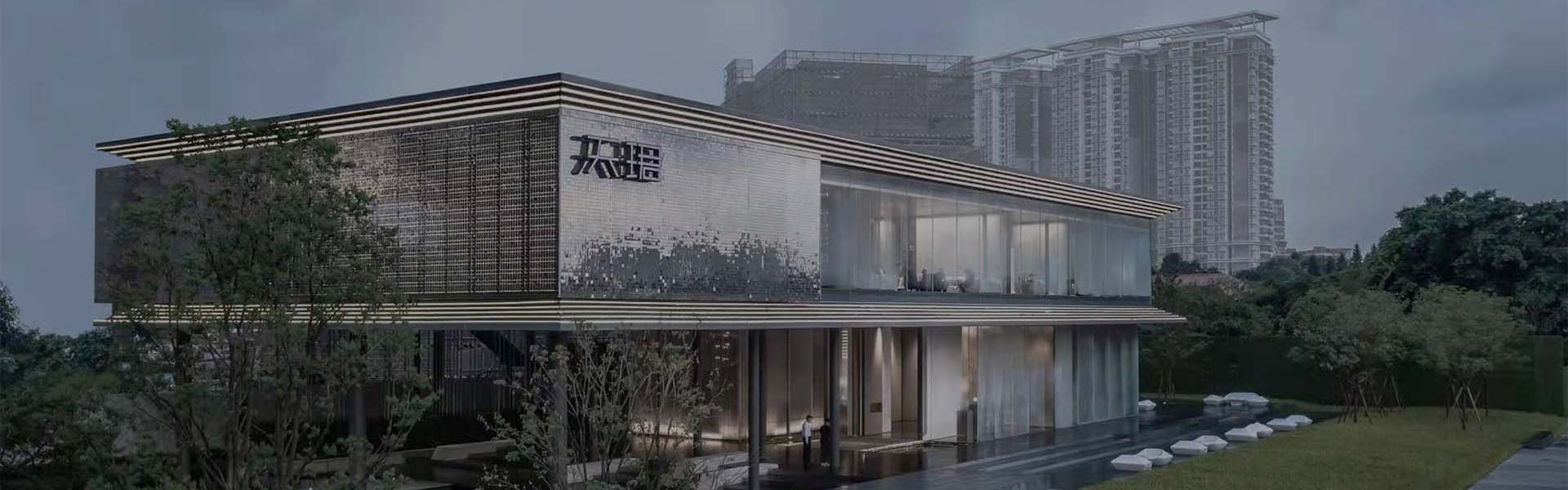
Wind-Driven Facade: Sustainable Architecture Powered by Nature
Introduction
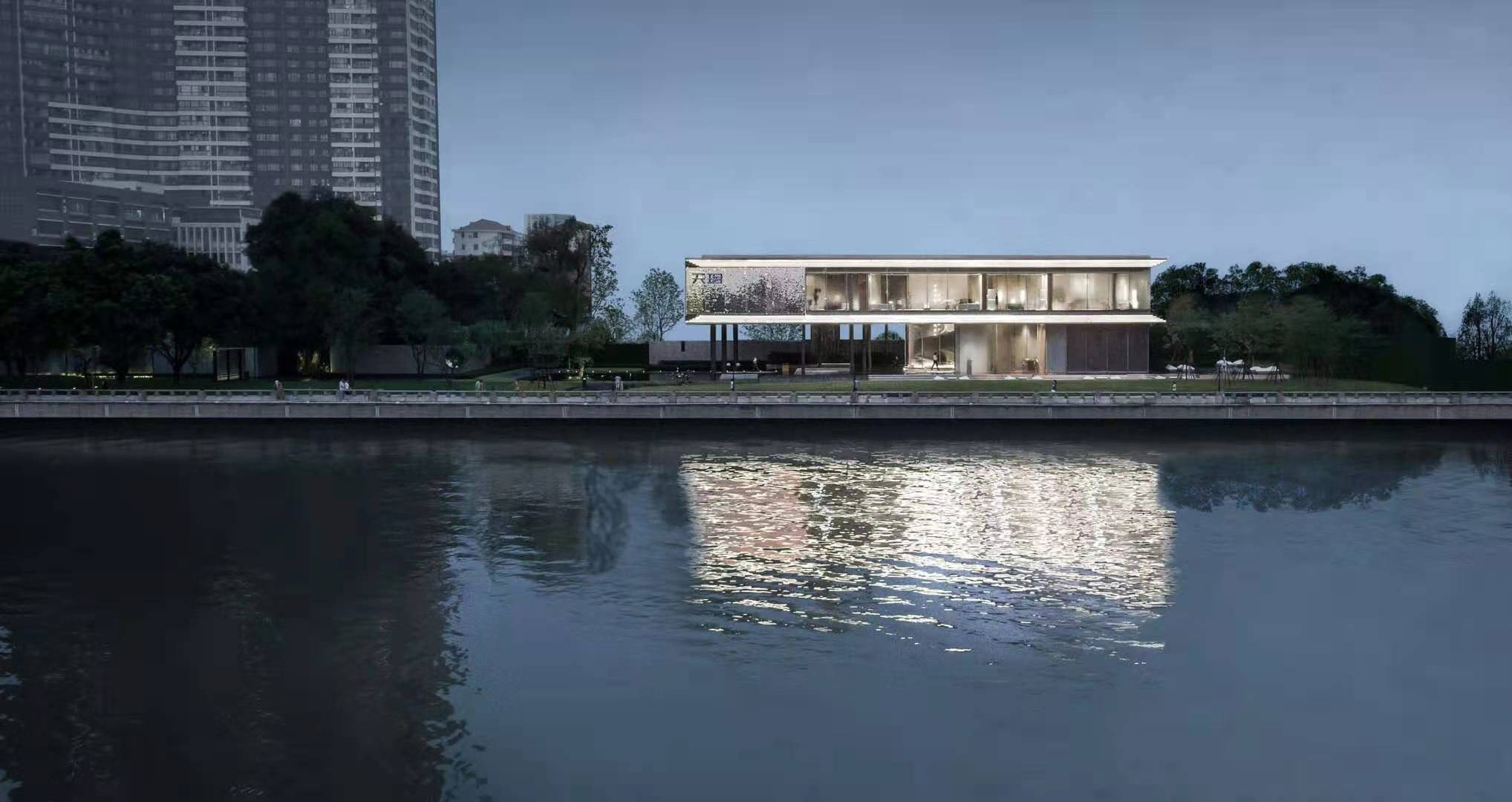
· Dynamic architectural cladding
This makes them an environmentally friendly and cost-effective solution for modern architecture.
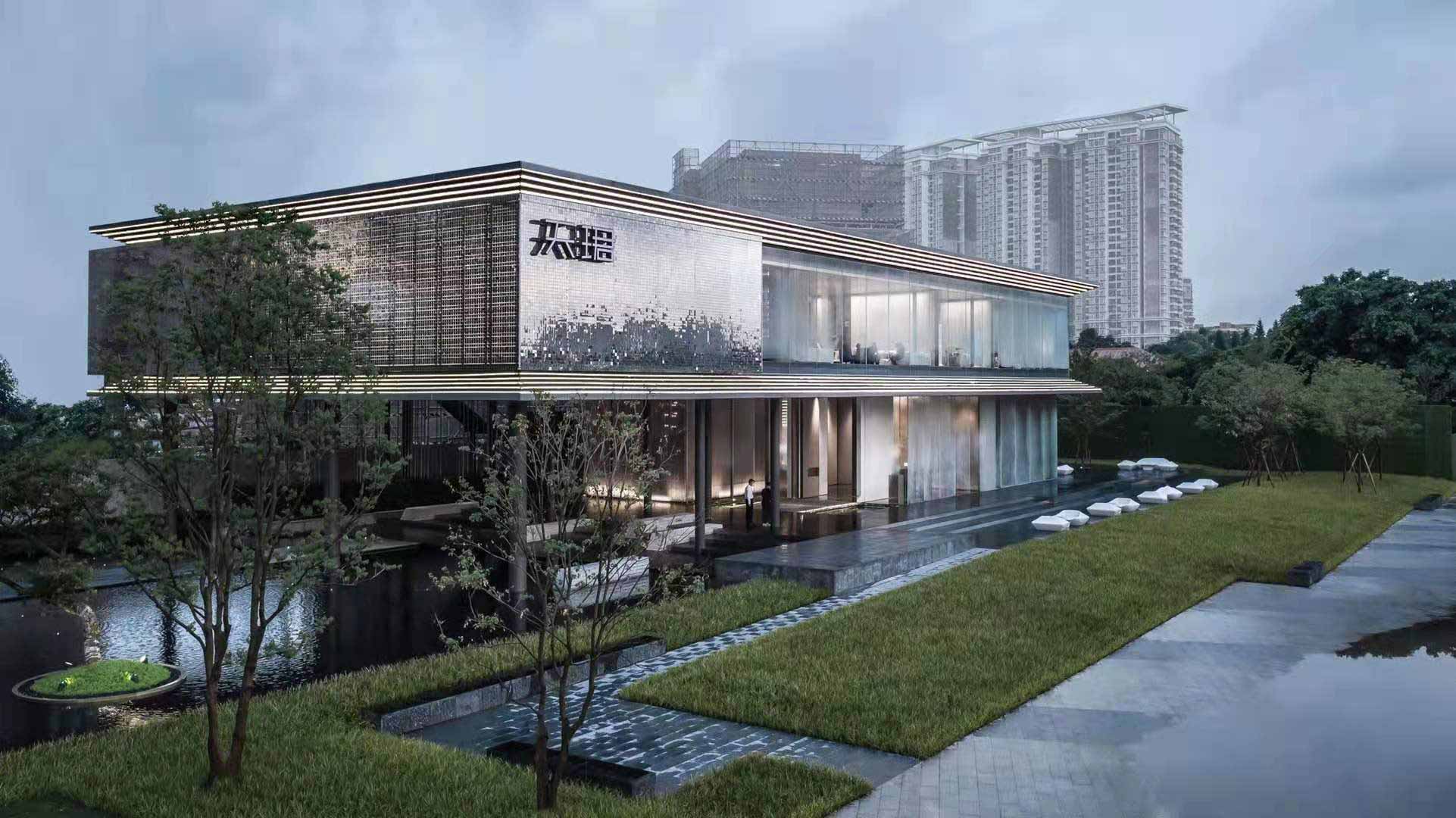
Why Wind-Driven Facades Are Gaining Popularity
1. Sustainable Architecture Without Energy Consumption
· Reduced maintenance requirements
· Energy efficient architecture
2. Dynamic Visual Impact
Modern cities compete to create iconic buildings that attract attention.
Wind-driven facades allow buildings to appear different every moment of the day.
As sunlight and wind conditions change, the facade generates:
· Unique architectural identities
This visual movement helps transform ordinary buildings into recognizable landmarks.
· Architectural kinetic facade
3. Enhanced Building Identity
For commercial developments, visual differentiation is extremely important.
Developers invest millions in architecture that creates stronger brand recognition.
Wind-driven facades help buildings:
· Create memorable impressions
This is especially valuable for:
4. Long-Term Durability
Most wind-driven facade systems are manufactured from aluminum because of its excellent durability.
· Architectural aluminum panels
· Exterior aluminum facade systems
Applications of Wind-Driven Facades
Shopping Malls and Commercial Centers
Retail developers constantly seek innovative methods to attract visitors.
· Enhanced social media exposure
· Improved architectural value
Luxury hospitality projects often prioritize unique guest experiences.
Wind-driven facade systems help create:
· Distinctive architectural identity
· Instagram-worthy visual effects
· Hospitality architecture facade
Museums and Cultural Buildings
Wind-driven facades create buildings that appear alive and constantly changing.
Airports and Transportation Hubs
Transportation buildings often require large-scale architectural statements.
Many cities seek iconic architecture to strengthen tourism and urban identity.
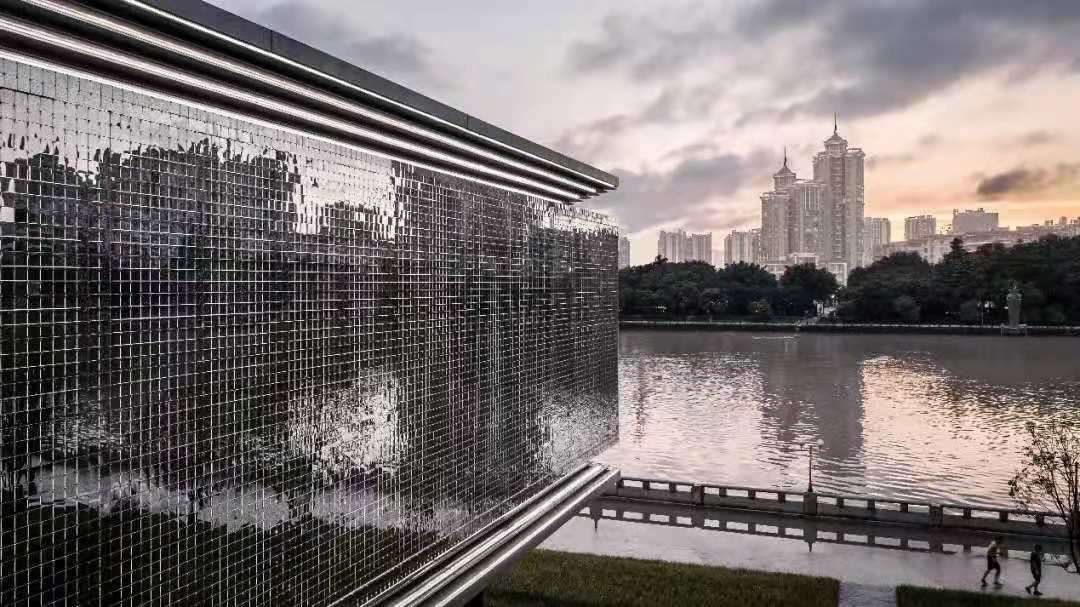 a dynamic, kinetic building exterior that moves entirely via passive wind pressure and airflow, without the need for motors, sensors, or electricity